How to Work Remotely from Sri Lanka
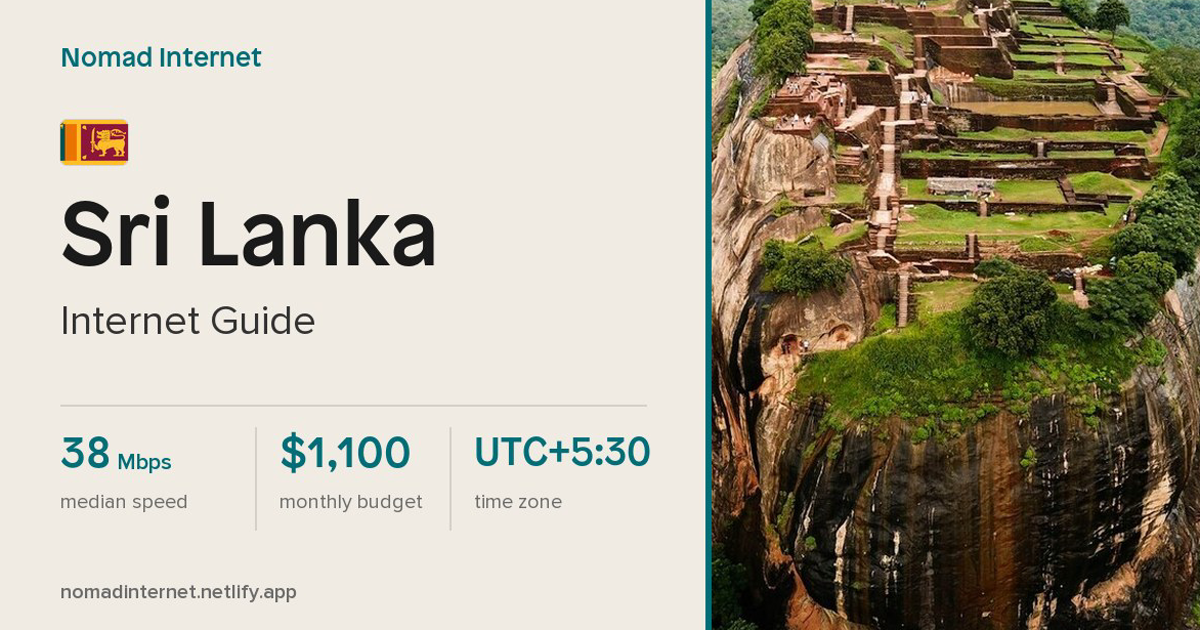
Planning a remote work stint in a tropical island comes with unique connectivity and logistical challenges. You need clear steps to secure your legal stay, set up fast internet, and manage your budget without unpleasant surprises. This guide walks you through every stage of preparation so you can land and start working productively.
In brief
- Apply online for the digital nomad visa through the ETA system.
- Target Colombo districts 3, 4, or 7 for reliable fiber speeds.
- Buy a local SIM card at the airport for instant backup data.
- Keep a monthly living budget around eleven hundred dollars.
Securing Your Digital Nomad Visa
Getting permission to work remotely from the island is straightforward when you meet the core criteria. You must provide official proof of a monthly income of two thousand dollars. The visa remains valid for up to one year, which saves you from dealing with constant border runs.
To start the process, apply online through the ETA system. Processing typically takes five to ten business days. This official pathway offers one of the easiest legal stays for remote workers across South Asia, letting you settle down without administrative headaches.
While digital nomads on this visa are generally not considered tax residents if they maintain tax residency elsewhere, you should always review your personal tax obligations. Local currency fluctuations can affect your long term budgeting, so keep an eye on exchange rates after arrival. For a handy reference to keep open while planning your trip, you can review the live data and provider breakdowns listed on the full guide.
Never rely on a single connection type when your livelihood depends on video calls and client deadlines.
Setting Up Fast Fixed Internet
Reliable connectivity determines your productivity, so choosing the right base is your top priority. Colombo districts 3, 4, and 7 offer the best fiber infrastructure on the island. Average download speeds across the country sit at thirty eight megabits per second, but central Colombo areas perform much faster.
Fixed internet providers include SLT and Dialog. SLT Fiber activation in Colombo apartments takes three to seven business days. Dialog Home Broadband can be faster at one to three days in covered areas. Month to month billing is common, though some promotional rates require a twelve month commitment.
Outside the capital, options change. Galle Fort features decent Wi Fi in guesthouses and cafes, while beach towns like Unawatuna and Mirissa have solid mobile coverage but limited fixed broadband options. Always test connection speeds at your accommodation before signing a lease.
Building Your Mobile Backup Playbook
Power cuts and variable connectivity require a solid redundancy plan. Never rely on a single connection type when your livelihood depends on video calls and client deadlines. Pick up a local SIM card at Bandaranaike Airport arrivals immediately after landing to secure mobile data.
Dialog and Mobitel have counters right at airport arrivals where you can purchase prepaid cards using your passport. Dialog offers the largest mobile network with robust forty gigabyte plans, while Mobitel provides strong urban and suburban coverage across the island.
For additional redundancy before you arrive, you can purchase an eSIM online. Providers like Saily offer affordable data packages starting around four dollars for one gigabyte. Keeping one local physical SIM and one active eSIM profile guarantees you stay online during unexpected network drops.
Managing Living Costs and Neighborhoods
Your monthly living budget will hover around eleven hundred dollars depending on your lifestyle choices. Rent varies by city, with Colombo averaging six hundred dollars per month, Galle around four hundred fifty dollars, and Kandy sitting near four hundred dollars for standard nomad rentals.
Coworking spaces provide great community and reliable power backup. A standard coworking pass costs about ninety dollars a month. Colombo features around fifteen dedicated spaces, while Galle and Kandy offer smaller hubs for quiet focused work sessions during your stay.
Daily life is affordable when you mix local spots with western comforts. Credit cards are widely accepted in Colombo and major tourist zones, but you will need cash for small shops and tuk tuks. Download the PickMe app for reliable ride hailing in major cities.
Navigating Power and Seasonal Weather
Infrastructure has stabilized significantly since past economic challenges, but power outages still occur occasionally outside the capital. Always ask your landlord about backup power arrangements such as inverters or generators before you commit to a long stay in any rental property.
Weather patterns dictate the best time to visit different coasts. The northeast monsoon brings dry weather to the south and west coasts from December to March, making Colombo, Galle, and Mirissa ideal. Meanwhile, the southwest monsoon makes the east coast dry from June to September.
Plan your productivity calendar around these seasonal shifts. The wettest period island wide occurs during October and November when short intense showers stress the power grid. Staying flexible with your location ensures uninterrupted work flow year round.
Before you go
Moving your remote office to Sri Lanka combines affordable tropical living with improving digital infrastructure. By securing your visa in advance, establishing robust internet backups, and choosing the right neighborhood in Colombo or the coastal towns, you set yourself up for a productive and memorable stay.